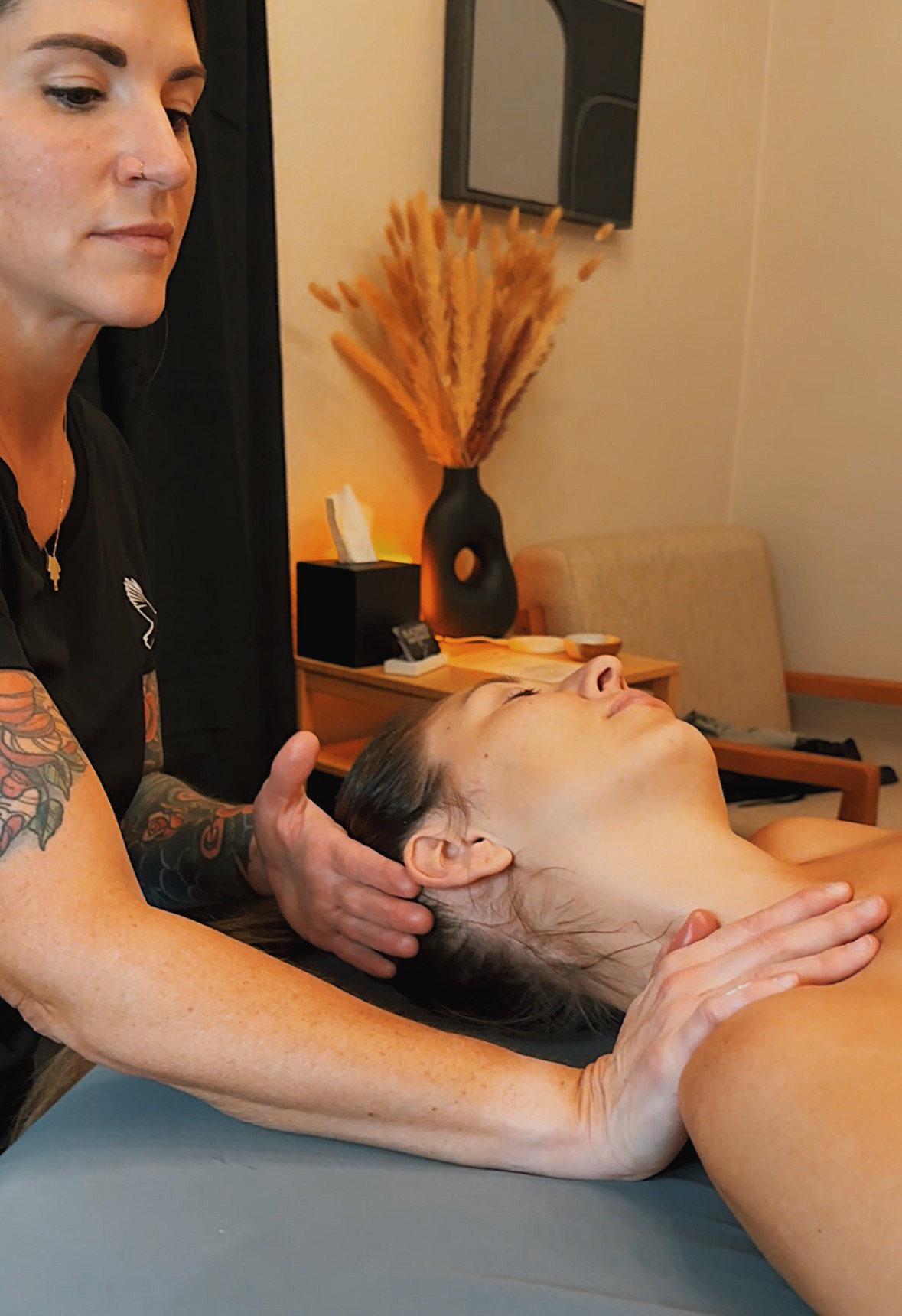
Build a Recovery Routine
The secret to feeling better isn't one big session — it's a small, repeatable rhythm. A simple, realistic guide to building a recovery routine that lasts.

How to Build a Recovery Routine That Actually Sticks
Most people approach recovery like a fire extinguisher — they reach for it only when something already hurts or they've overdone it. That works in a pinch, but the people who consistently feel good treat recovery like brushing their teeth: small, regular, unremarkable, and impossible to skip.
Here's how to build a rhythm you'll actually keep.
Start smaller than feels impressive
The most common reason routines fail is that they're too ambitious. "I'll stretch for 30 minutes every night" lasts about four days. "I'll do two neck rolls and one good stretch before bed" lasts because it's too small to dread. Start there. You can always add.
Anchor it to something you already do
New habits stick when they ride on old ones. Stretch while your coffee brews. Do a breathing reset before your commute. Book your massage for the same day each month so it's on autopilot. The less deciding involved, the more likely it happens.
Cover the unglamorous basics first
Before any device or treatment, the foundation is boring and free:
- Sleep — the most powerful recovery tool there is, and the easiest to shortchange.
- Water — steady through the day beats a heroic evening catch-up.
- Movement — a daily walk does more than an occasional punishing workout.
Get these mostly right and everything else works better.
Layer in what you enjoy
Recovery you like is recovery you'll repeat. Maybe that's a monthly massage, a standing red light session because it's ten quiet minutes to yourself, or compression while you catch up on a show. The "best" recovery habit is the one you'll actually come back to — so weight it toward what feels good, not just what sounds virtuous.
Build in a real rhythm
A simple framework that works for a lot of our guests:
- Daily: the basics — sleep, water, a walk, a couple of stretches.
- Weekly: one intentional wind-down — a longer stretch session, a recovery visit, an early night you protect.
- Monthly: the bigger reset — a massage, or a massage paired with a recovery service like red light, compression, or PEMF.
Let it flex
Some weeks you'll nail it; some weeks life wins. The goal isn't a perfect streak — it's a routine sturdy enough to survive a bad week and pick back up without guilt. Missing a day isn't failure. Quitting because you missed a day is.
Recovery isn't a project you finish. It's a rhythm you keep — and the small, steady version beats the intense, short-lived one every time.
This article is for general wellness and educational purposes only and isn't medical advice.
Latest articles